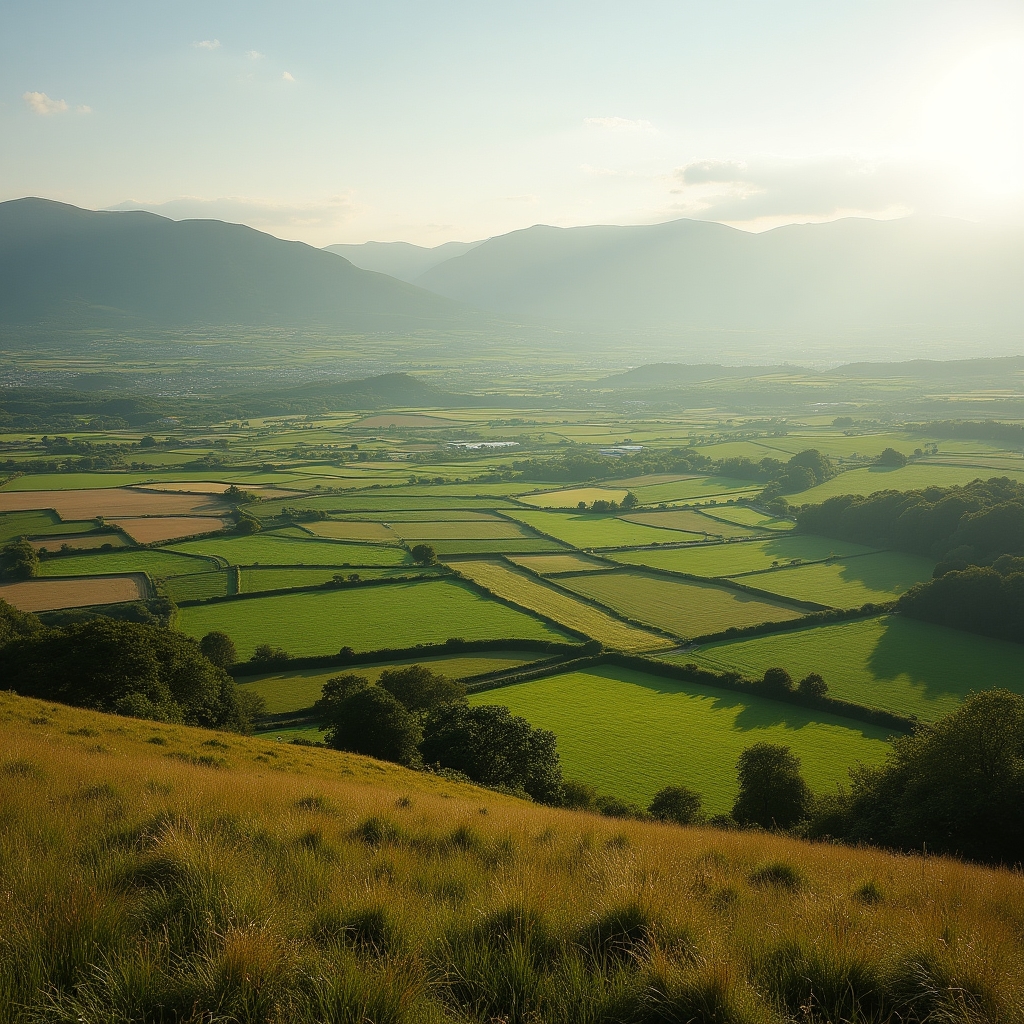
Transform Your Farm with Organic Methods

Navigate the transition to certified organic farming in Ireland with expert guidance and support.

Get Started

Why Transition to Organic?

The organic sector in Ireland is experiencing unprecedented growth, with consumer demand outpacing supply across multiple product categories.

  • Premium pricing for certified organic products
  • Growing market demand across EU and domestic markets
  • Enhanced environmental sustainability and biodiversity
  • Reduced dependency on external inputs
  • Improved soil health and long-term farm viability

Org-swapai provides the expertise, resources, and support needed to successfully navigate the transition process and capitalize on these opportunities.

ORGANIC TRANSITION PATHWAY SCALE: 1:100
01

Assessment & Planning

Evaluate current operations, identify conversion requirements, and develop a comprehensive transition strategy.

02

Certification Process

Navigate the certification requirements, documentation, and inspection processes with expert guidance.

03

Operational Transition

Implement organic practices, develop new management systems, and adapt production methods.

04

Market Development

Identify market opportunities, develop distribution channels, and establish pricing strategies.

Organic Transition Stages

The journey to organic certification follows a structured pathway with distinct phases.

Phase 1

Initial Assessment

Comprehensive evaluation of your current farming practices, infrastructure, and market potential to identify conversion requirements and opportunities.

  • Land use history analysis
  • Soil testing and assessment
  • Current input evaluation
  • Market opportunity identification
Phase 2

Conversion Planning

Development of a tailored conversion plan with detailed timelines, resource requirements, and operational adjustments to achieve organic certification.

  • Transition timeline development
  • Input sourcing strategy
  • Crop rotation planning
  • Financial projection modeling
Phase 3

Conversion Period

Implementation of organic practices during the required conversion period (typically 2 years) while maintaining detailed records for certification.

  • Organic input implementation
  • Record-keeping systems
  • Soil fertility management
  • Pest and disease control strategies
Phase 4

Certification Process

Navigation of the certification application, inspection, and approval process with Ireland's organic certification bodies.

  • Application preparation
  • Pre-inspection readiness
  • Inspection facilitation
  • Non-compliance resolution
Phase 5

Market Development

Identification and development of market channels, pricing strategies, and brand positioning for your organic products.

  • Market channel identification
  • Product positioning strategy
  • Pricing structure development
  • Distribution logistics planning
Phase 6

Continuous Improvement

Ongoing optimization of organic farming practices, compliance maintenance, and adaptation to evolving market conditions.

  • Annual certification renewal
  • Production efficiency improvement
  • Market diversification
  • Technology integration

Operational Changes

Transitioning to organic farming requires significant operational adjustments across multiple aspects of your farming system.

Soil Management

Organic farming centers on building healthy, living soils through:

  • Cover cropping and green manures to build soil structure
  • Compost and organic matter application for fertility
  • Crop rotation to disrupt pest cycles and balance nutrients
  • Reduced tillage practices to preserve soil biology

These practices replace synthetic fertilizers while building long-term soil health and carbon sequestration potential.

Pest & Disease Management

Organic systems employ preventative and biological approaches:

  • Beneficial insect habitat creation and conservation
  • Crop diversity and rotation to break pest cycles
  • Mechanical and cultural control methods
  • Approved organic inputs as last resort measures

This integrated approach replaces synthetic pesticides while building system resilience.

Livestock Management

Organic livestock production focuses on natural behaviors and preventative health:

  • Access to pasture and outdoor areas appropriate to species
  • Organic feed and forage requirements
  • Preventative health protocols and reduced antibiotic use
  • Animal welfare-centered housing and handling systems

These standards ensure high welfare production while meeting consumer expectations for organic livestock products.

Equipment & Infrastructure

Transitioning farms often require equipment adaptations:

  • Mechanical weed control implements
  • Compost handling and application equipment
  • Seed cleaning and processing systems
  • Segregation infrastructure for organic product handling

Org-swapai can help identify equipment needs and potential funding sources for infrastructure investments.

Record Keeping

Comprehensive documentation is essential for organic certification:

  • Input purchase and application records
  • Seed and planting material documentation
  • Harvest and sales tracking systems
  • Field histories and activity logs

Our advisors can help implement efficient record-keeping systems that satisfy certification requirements while providing valuable management data.
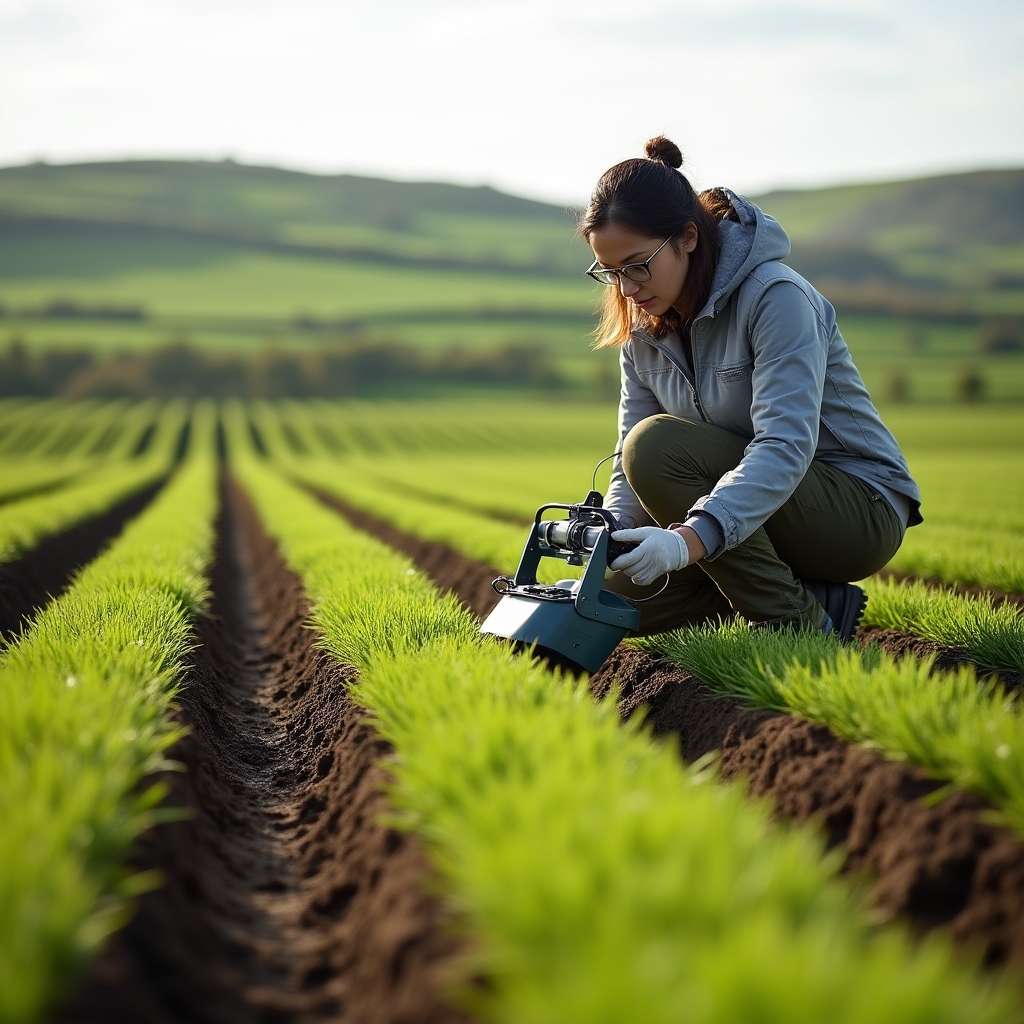
  • Organic soil management techniques

    Advanced Soil Management

    Building fertility through biological processes

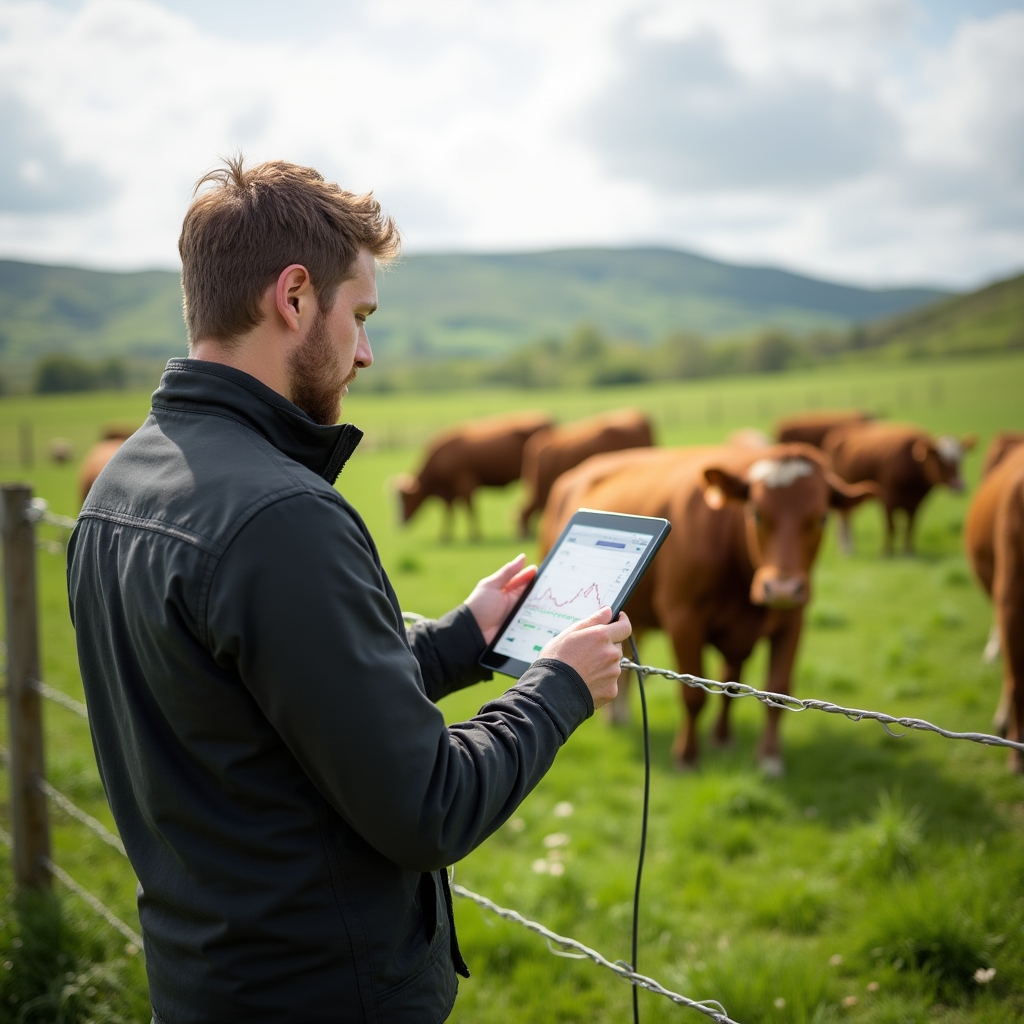
  • Organic livestock management

    Organic Livestock Systems

    High welfare standards and natural behaviors

  • Transition planning meeting

    Transition Planning

    Expert guidance through the conversion process

    Certification Requirements in Ireland

    Understanding the organic certification landscape in Ireland is essential for a successful transition.

    Organic certification process
    CERTIFICATION BODIES IN IRELAND
    • Organic Trust CLG

      Ireland's leading organic certification organization for all farming sectors.

    • Irish Organic Association

      Provides certification services across all agricultural sectors in Ireland.

    • Global Trust Certification Ltd

      Specialized certification for aquaculture and related sectors.

    Key Certification Requirements:

    • Minimum 2-year conversion period for land
    • Compliance with EU Organic Regulations
    • Annual inspection and certification renewal
    • Comprehensive record-keeping systems
    • Use of approved inputs and materials only
    • Separate storage and handling protocols

    Economic Factors & Market Insights

    Understanding the financial implications and market opportunities is crucial for successful organic transition.

    Economic Considerations

    Factor Conventional Organic Difference
    Input Costs High Medium -30% to -50%
    Labor Costs Low Medium-High +20% to +40%
    Yields High Medium -10% to -25%
    Product Pricing Baseline Premium +25% to +100%
    Certification Costs None Annual Fee €400 - €1,000

    Transition Period Considerations:

    • Reduced yields during 2-year conversion without organic premium
    • Investment in new equipment and infrastructure
    • Increased labor requirements during transition
    • Potential for "in-conversion" product marketing at moderate premium

    Financial Support Available:

    • Organic Farming Scheme (OFS) payments
    • TAMS III organic capital investment support
    • Knowledge Transfer Programme funding
    • European Innovation Partnership projects

    Irish Organic Market Insights

    Market Size & Growth:

    • Irish organic retail market valued at €260 million (2023)
    • Annual growth rate of 8-12% over the past 5 years
    • Projected to reach €400 million by 2030
    • Only 2.8% of Irish agricultural land is organic (vs. EU average of 9.1%)

    High-Demand Sectors:

    Product Category Demand Level Supply Status Market Opportunity
    Dairy (milk, cheese, yogurt) High Undersupplied Excellent
    Beef Medium-High Growing Good
    Lamb Medium Undersupplied Good
    Vegetables & Fruit Very High Severely Undersupplied Excellent
    Cereals & Grains High Undersupplied Excellent
    Eggs Medium-High Balanced Moderate

    Market Channels:

    • Supermarkets (68% of organic sales)
    • Specialty retailers (14%)
    • Direct-to-consumer (10%)
    • Food service & hospitality (8%)

    Ready to Begin Your Organic Journey?

    Contact our team of experts to discuss your farm's transition potential and receive personalized guidance.

    Find Us

    6, Trinity St, Dublin 2, D02 EY47, Ireland

    Call Us

    +353 1 676 4000

    Email Us

    info@org-swapai.com

    Office Hours

    Monday to Friday: 9:00 AM - 5:00 PM
    Saturday: 10:00 AM - 2:00 PM
    Sunday: Closed

    Request Information

    About Org-swapai

    We are Ireland's leading consultancy dedicated to supporting farmers through the organic transition process.

    Irish agricultural landscape

    Our Mission

    Org-swapai is dedicated to transforming Irish agriculture by empowering farmers with the knowledge, resources, and support needed to successfully transition to organic production systems. We believe in building a resilient, sustainable agricultural sector that benefits farmers, consumers, and the environment.

    Our Expertise

    Our team brings together decades of practical experience in organic farming, certification, and market development. We understand the unique challenges and opportunities of Irish agriculture and provide tailored solutions for each farm's specific circumstances.

    Our Approach

    We take a holistic, systems-based approach to organic transition, considering not just the technical aspects of production but also the economic viability, market opportunities, and long-term sustainability of each farm operation. Our goal is to ensure successful transitions that result in thriving organic businesses.