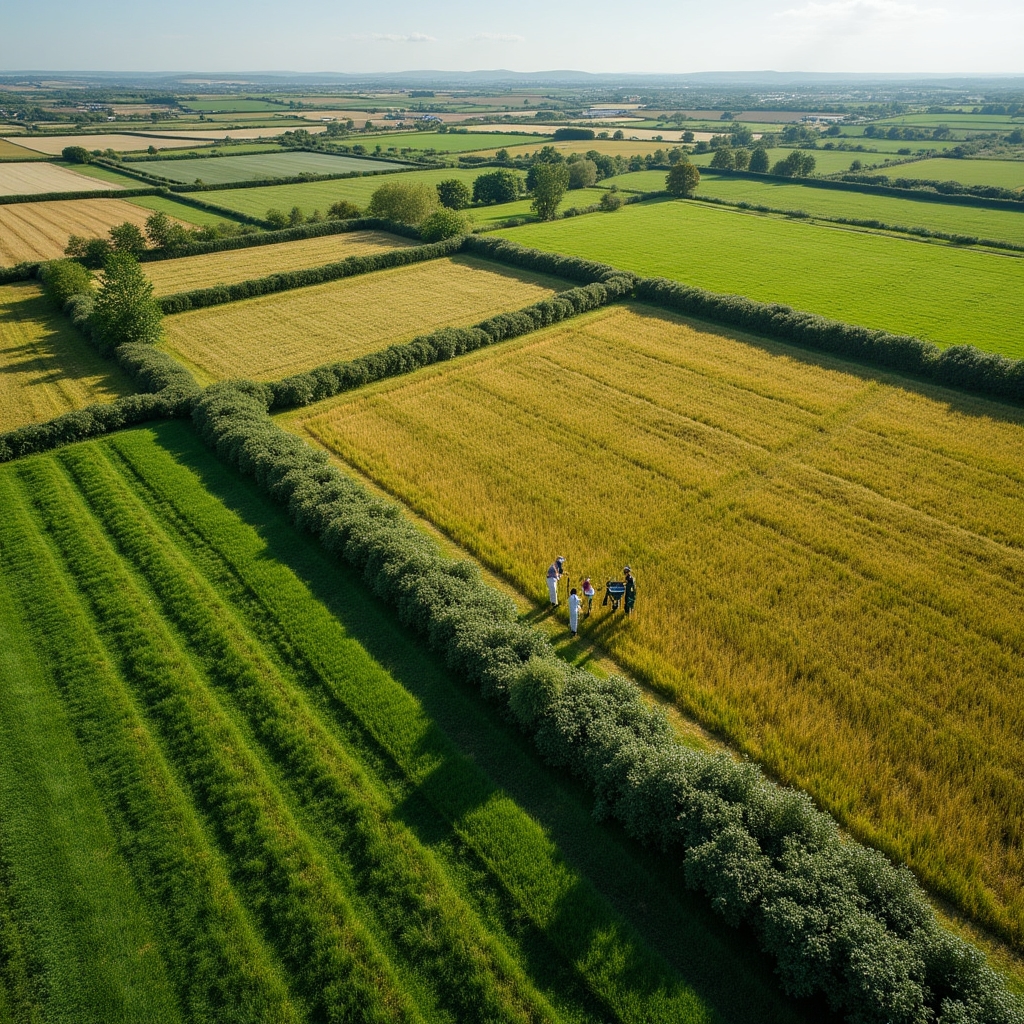
Organic Transition Stages

A structured pathway from conventional to certified organic production.

Transitioning to organic farming is a methodical process with distinct phases, each with specific objectives, challenges, and milestones. Understanding this journey in detail helps farmers navigate the conversion process efficiently and successfully.

Explore the Transition Process
Organic transition planning meeting

The Organic Transition Journey

The path to organic certification follows a structured sequence with defined stages.

ORGANIC TRANSITION PATHWAY TIMELINE: 24-36 MONTHS
01

Assessment & Research

2-3 months

Evaluate your farm's suitability for organic production and gather essential information about requirements, processes, and market opportunities.

02

Planning & Preparation

3-6 months

Develop a comprehensive conversion plan with detailed timelines, resource requirements, and operational adjustments necessary for successful transition.

03

Initial Application

1-2 months

Submit formal application to your chosen certification body, complete initial paperwork, and prepare for the first inspection visit.

04

Conversion Period

24 months (typical)

Implement organic practices during the required conversion period while maintaining detailed records for certification and adapting operations.

05

Certification

1-3 months

Complete final inspection, address any compliance issues, and receive organic certification for your farm and products.

06

Market Development

Ongoing

Establish and expand market channels for your certified organic products, develop branding, and optimize pricing strategies.

07

Continuous Improvement

Ongoing

Refine practices, maintain certification compliance, and continually adapt to evolving market conditions and organic standards.

01

Assessment & Research

Evaluate your farm's suitability and gather essential information.

The foundation of a successful transition begins with thorough assessment of your current operation and comprehensive research into organic requirements and opportunities.

Key Activities

Farm Assessment

  • Land History Analysis: Document previous land use and input applications (minimum 3 years)
  • Soil Testing: Comprehensive soil analysis including nutrients, organic matter, and potential contaminants
  • Infrastructure Evaluation: Assess buildings, equipment, and storage facilities for organic compliance
  • Current Practices Review: Identify conventional practices that will need modification

Market Research

  • Market Demand Analysis: Identify potential buyers and market channels for organic products
  • Price Point Research: Understand organic premium potential for your specific products
  • Competition Assessment: Evaluate existing organic producers in your region and product categories
  • Distribution Options: Research logistics and transportation requirements

Regulatory Research

  • Standards Familiarization: Study EU organic regulations and Irish implementation requirements
  • Certification Bodies: Research and compare certification organizations operating in Ireland
  • Documentation Requirements: Understand record-keeping and compliance documentation needs
  • Permitted Inputs: Identify approved substances and materials for organic production

Financial Assessment

  • Transition Cost Estimation: Calculate potential expenses for conversion period
  • Funding Opportunities: Research grants, subsidies, and support programs available
  • Cash Flow Projection: Model financial scenarios during and after conversion
  • Risk Assessment: Identify potential financial challenges and mitigation strategies

Key Deliverables

  • Comprehensive farm assessment report
  • Preliminary feasibility analysis
  • Initial market opportunity identification
  • Regulatory compliance checklist
  • Preliminary financial projections

Common Challenges

  • Incomplete land use history documentation
  • Uncertainty about market access and opportunities
  • Difficulty quantifying potential yield impacts
  • Limited understanding of organic standards complexity

Org-swapai Support

Our Assessment & Feasibility service provides expert guidance during this critical phase, including:

  • Professional farm assessment with detailed recommendations
  • Market opportunity analysis specific to your farm and location
  • Regulatory navigation and compliance planning
  • Financial modeling and funding opportunity identification

Request Assessment Support

02

Planning & Preparation

Develop a comprehensive conversion strategy.

With assessment data in hand, this phase focuses on creating detailed plans for all aspects of the transition process, from production changes to certification timelines.

Key Activities

Conversion Strategy

  • Conversion Approach: Decide between whole-farm or phased conversion
  • Timeline Development: Create detailed schedules for each conversion phase
  • Risk Management: Develop contingency plans for potential challenges
  • Certification Body Selection: Choose and engage with appropriate certifier

Production Planning

  • Crop Rotation Design: Develop multi-year rotation plans for all fields
  • Livestock Transition: Plan feed sourcing and housing modifications
  • Soil Improvement: Schedule cover cropping and soil amendment applications
  • Input Sourcing: Identify suppliers of approved organic inputs

Documentation Systems

  • Record-Keeping Setup: Establish systems for tracking all farm activities
  • Field History Documentation: Compile detailed records of past management
  • Input Inventory Tracking: Create systems to monitor all materials used
  • Audit Trail Development: Establish product traceability systems

Business Planning

  • Financial Projections: Develop detailed budgets for transition period
  • Funding Applications: Prepare and submit applications for available support
  • Marketing Strategy: Develop plans for market entry and product positioning
  • Labor Planning: Assess workforce needs during and after transition

Key Deliverables

  • Comprehensive conversion plan with timelines
  • Field-by-field rotation and management plans
  • Complete documentation and record-keeping systems
  • Detailed financial projections and budgets
  • Marketing and sales strategy

Common Challenges

  • Balancing risk management with conversion pace
  • Developing effective crop rotations for specific farm conditions
  • Creating efficient but comprehensive record-keeping systems
  • Accurately projecting financial outcomes during transition

Org-swapai Support

Our Conversion Planning service provides expert assistance with:

  • Development of tailored conversion plans with realistic timelines
  • Creation of farm-specific rotation and production systems
  • Implementation of efficient record-keeping templates and systems
  • Financial modeling and funding application support

Request Planning Support

03

Initial Application

Formalize your organic transition with certification bodies.

This phase marks the official beginning of your organic journey as you engage with certification organizations and complete initial documentation requirements.

Key Activities

Application Submission

  • Application Forms: Complete all required documentation for chosen certifier
  • Field Maps: Prepare detailed maps of all farm areas to be certified
  • Farm Profile: Document current operations, infrastructure, and management practices
  • Organic System Plan: Submit comprehensive plan for organic management

Historical Documentation

  • Land Use History: Provide verified records of previous land management
  • Input Records: Document all substances applied to fields in recent years
  • Buffer Zone Identification: Map areas requiring separation from conventional land
  • Prior Contamination Assessment: Address any historical contamination concerns

Pre-Inspection Preparation

  • Record Organization: Prepare all documentation for inspector review
  • Staff Training: Ensure all personnel understand organic requirements
  • Facility Preparation: Organize storage areas and processing facilities
  • Self-Assessment: Conduct internal audit against organic standards

Initial Inspection

  • Inspector Coordination: Schedule and facilitate the first inspection visit
  • Facility Tour: Guide inspector through all farm areas and buildings
  • Interview Process: Participate in detailed discussion of farm practices
  • Documentation Review: Present all required records for verification

Key Deliverables

  • Completed application package submitted to certification body
  • Comprehensive Organic System Plan (OSP)
  • Detailed field history documentation
  • Initial inspection completion
  • Conversion start date confirmation

Common Challenges

  • Gathering sufficient documentation for land use history
  • Developing comprehensive Organic System Plans
  • Addressing inspector concerns during initial visits
  • Understanding certification body-specific requirements

Org-swapai Support

Our Certification Application service provides expert assistance with:

  • Application preparation and submission guidance
  • Development of comprehensive Organic System Plans
  • Pre-inspection preparation and readiness assessment
  • Inspection accompaniment and compliance advocacy

Request Application Support

04

Conversion Period

Implement organic practices while transitioning fields and livestock.

The conversion period is the heart of the transition process, typically lasting 24 months for land and varying periods for different livestock species.

Key Activities

Organic Practice Implementation

  • Input Transition: Shift to approved organic inputs only
  • Soil Building: Implement cover cropping, composting, and other soil health practices
  • Rotation Establishment: Begin implementing planned crop rotations
  • Pest Management: Develop and implement organic pest control strategies

Livestock Transition

  • Feed Conversion: Transition to organic feed sources
  • Housing Adaptation: Modify facilities to meet organic space requirements
  • Health Protocols: Implement preventative health management systems
  • Grazing Implementation: Establish rotational grazing systems

Record Keeping

  • Activity Documentation: Maintain detailed records of all farm activities
  • Input Tracking: Document all materials used with receipts and application records
  • Harvest Records: Track all production with quantities and dates
  • Sales Documentation: Maintain records of all product sales and movements

Compliance Maintenance

  • Annual Inspections: Prepare for and participate in required inspections
  • Standard Updates: Stay informed about changes to organic regulations
  • Non-Compliance Resolution: Address any issues identified by certifiers
  • Ongoing Training: Continue education about organic practices

Conversion Period Timelines

Farm Component Required Conversion Period Special Considerations
Cropland & Pasture 24 months before harvest/use Products harvested 12-24 months after conversion start can be sold as "in-conversion"
Perennial Crops 36 months before harvest Includes orchards, vineyards, and other permanent plantings
Dairy Cattle 6 months Requires simultaneous land conversion for grazing areas
Beef Cattle 12 months or 3/4 of life Whichever is shorter; requires organic feed throughout period
Sheep & Goats 6 months Requires organic feed throughout conversion period
Pigs 6 months Requires organic feed throughout conversion period
Laying Hens 6 weeks Must be brought in before 3 days of age for egg production
Meat Poultry 10 weeks Must be brought in before 3 days of age for meat production

Common Challenges

  • Managing weed pressure without synthetic herbicides
  • Maintaining adequate fertility during transition
  • Balancing cash flow with reduced yields and conventional prices
  • Adapting to increased record-keeping requirements
  • Sourcing adequate organic feed for livestock

Org-swapai Support

Our Conversion Period Support service provides ongoing assistance with:

  • Regular farm visits and technical support for production challenges
  • Record-keeping system implementation and maintenance
  • Preparation for annual inspections and compliance maintenance
  • Problem-solving for specific transition issues as they arise
  • Ongoing training and education in organic practices

Request Conversion Support

05

Certification

Complete the certification process and achieve organic status.

After successfully completing the conversion period, this phase focuses on the final steps to obtain official organic certification for your farm and products.

Key Activities

Final Inspection Preparation

  • Documentation Review: Ensure all records are complete and organized
  • Compliance Self-Assessment: Verify adherence to all organic standards
  • Facility Preparation: Ensure all areas meet organic requirements
  • Staff Briefing: Prepare personnel for inspector questions

Certification Inspection

  • Inspector Hosting: Guide inspector through farm operations
  • Records Presentation: Provide access to all required documentation
  • Process Verification: Demonstrate compliance with organic practices
  • Question Response: Address all inspector inquiries accurately

Non-Compliance Resolution

  • Issue Analysis: Review any non-compliance findings
  • Corrective Action Plan: Develop solutions for identified issues
  • Implementation: Address and resolve non-compliance items
  • Documentation: Provide evidence of corrective actions

Certification Finalization

  • Certificate Issuance: Receive official organic certification
  • Product Listing: Finalize approved organic products list
  • Label Approval: Submit and obtain approval for product labels
  • Compliance Agreement: Complete ongoing certification requirements

Understanding Your Organic Certificate

Your organic certificate is the official documentation of your organic status and includes several key components:

Certificate Element Description Importance
Certificate Number Unique identifier for your certification Required for product verification by buyers and regulators
Effective Date Date when organic status officially begins Determines when products can be sold as organic
Expiration Date Date when certification must be renewed Critical for maintaining continuous certification
Certified Operations List of approved activities (e.g., crop production, livestock) Defines scope of permitted organic activities
Certified Products Specific products approved for organic sale Only listed products can be marketed as organic
Certified Land Fields and areas with organic status Identifies specific areas approved for organic production

Common Challenges

  • Addressing minor non-compliance issues before certification
  • Ensuring complete and accurate record-keeping for inspection
  • Developing compliant product labels and marketing materials
  • Understanding restrictions on organic claims and terminology

Org-swapai Support

Our Certification Support service provides expert assistance with:

  • Pre-certification inspection preparation and readiness assessment
  • Inspection accompaniment and advocacy with certification bodies
  • Non-compliance resolution and corrective action planning
  • Product label development and approval assistance
  • Certification renewal planning and ongoing compliance maintenance

Request Certification Support

06

Market Development

Establish and expand markets for your organic products.

With certification achieved, this phase focuses on effectively marketing your organic products, developing distribution channels, and optimizing your market position.

Key Activities

Market Channel Development

  • Buyer Identification: Research and contact potential organic buyers
  • Distribution Partnerships: Establish relationships with distributors
  • Direct Marketing: Develop farm-direct sales channels if appropriate
  • Contract Negotiation: Secure favorable terms with buyers

Product Positioning

  • Brand Development: Create distinctive identity for your products
  • Packaging Design: Develop attractive, compliant packaging
  • Value Proposition: Articulate unique benefits of your products
  • Story Development: Craft compelling narrative about your farm

Pricing Strategy

  • Cost Analysis: Determine true production costs for each product
  • Market Research: Analyze current pricing for comparable products
  • Value-Based Pricing: Set prices reflecting product quality and attributes
  • Volume Planning: Develop tiered pricing for different sales volumes

Marketing & Promotion

  • Digital Presence: Develop website and social media platforms
  • Content Creation: Produce materials highlighting your organic story
  • Customer Education: Develop information about organic benefits
  • Relationship Building: Engage with organic community and customers

Irish Organic Market Channels

Market Channel Characteristics Best Suited For Considerations
Supermarkets High volume, consistent specifications, moderate margins Larger producers with consistent supply capability Requires certification, liability insurance, and often third-party food safety certification
Specialty Retailers Medium volume, higher quality standards, better margins Mid-sized producers with premium quality products Emphasis on product quality, packaging, and story
Farmers' Markets Direct sales, highest margins, variable volume Small to medium producers with diverse product range Requires staffing, transportation, and direct marketing skills
Food Service Consistent orders, specific product requirements Producers who can meet specific chef requirements Relationships and reliability are key; often requires delivery
Online Direct Growing channel, good margins, logistics challenges Tech-savvy producers with shipping capabilities Requires digital marketing skills and fulfillment systems
Wholesale/Distribution Larger volumes, lower margins, broader reach Larger producers seeking market expansion Strict quality standards and packaging requirements

Common Challenges

  • Establishing initial market connections without track record
  • Differentiating products in increasingly competitive organic market
  • Balancing multiple market channels with production capabilities
  • Developing effective packaging that communicates value
  • Setting prices that balance profitability with market acceptance

Org-swapai Support

Our Market Development service provides expert assistance with:

  • Market channel identification and buyer introductions
  • Product positioning and branding strategy development
  • Pricing analysis and strategy formulation
  • Marketing materials and digital presence development
  • Contract negotiation support and market expansion planning

Request Market Development Support

07

Continuous Improvement

Refine practices and maintain certification for long-term success.

The organic journey doesn't end with certification—this ongoing phase focuses on refining practices, maintaining compliance, and adapting to evolving conditions.

Key Activities

Production Optimization

  • Yield Enhancement: Refine practices to improve production levels
  • Efficiency Improvement: Streamline operations to reduce costs
  • Quality Advancement: Implement techniques to enhance product quality
  • Technology Integration: Adopt appropriate technology for organic systems

Certification Maintenance

  • Annual Renewal: Complete required certification updates
  • Ongoing Compliance: Stay current with changing regulations
  • Record System Refinement: Improve documentation efficiency
  • Staff Training: Ensure all personnel understand requirements

Market Expansion

  • Product Diversification: Develop new organic offerings
  • Channel Development: Expand into additional market segments
  • Value Addition: Explore processing and product transformation
  • Brand Enhancement: Strengthen market position and recognition

Knowledge Development

  • Ongoing Education: Continue learning about organic innovations
  • Peer Networking: Engage with other organic producers
  • Research Participation: Collaborate in organic farming studies
  • Mentorship: Share knowledge with transitioning farmers

Annual Improvement Cycle

Evaluate

Review previous season's performance, identify strengths and weaknesses, and analyze market trends.

Plan

Develop specific improvement targets, research new methods, and create implementation strategies.

Implement

Execute improvement plans, test new approaches, and document processes and outcomes.

Measure

Track results, compare to targets, analyze effectiveness, and identify further opportunities.

Common Challenges

  • Balancing innovation with certification compliance
  • Maintaining soil fertility in long-term organic systems
  • Adapting to evolving market demands and competition
  • Managing certification costs and administrative requirements
  • Staying current with changing organic regulations

Org-swapai Support

Our Continuous Improvement service provides ongoing support for established organic producers:

  • Annual farm performance reviews and optimization planning
  • Certification renewal assistance and compliance updates
  • Advanced organic production technique implementation
  • Market development and diversification strategies
  • Networking opportunities with other organic producers

Request Ongoing Support

Transition Success Stories

Learn from Irish farmers who have successfully navigated the organic transition process.

Successful organic farm transition

Oakfield Organic Farm, Co. Kilkenny

Dairy & Tillage • 85 hectares • Converted 2019-2021

The O'Brien family transitioned their conventional dairy and tillage farm to organic production over a 24-month period, facing and overcoming numerous challenges along the way.

Key Challenges:

  • Managing weed pressure in tillage crops without herbicides
  • Maintaining milk production levels during feed transition
  • Developing effective record-keeping systems
  • Securing reliable markets for organic grain crops

Successful Strategies:

  • Implemented diverse 7-year crop rotation with 2-year fertility-building phase
  • Developed clover-rich pastures to support milk production
  • Invested in mechanical weeding equipment with TAMS support
  • Secured forward contracts for organic grains before conversion completion

"The transition was challenging but absolutely worth it. Our soil health has improved dramatically, input costs are down by 40%, and our net farm income has increased despite slightly lower yields." — Michael O'Brien