Organic Farming Best Practices

Evidence-based techniques for successful organic production in Irish conditions.

Implementing proven organic farming methods is essential for maintaining productivity, profitability, and compliance with certification standards. Our best practice guidelines are specifically adapted to Irish growing conditions, soil types, and climate patterns.
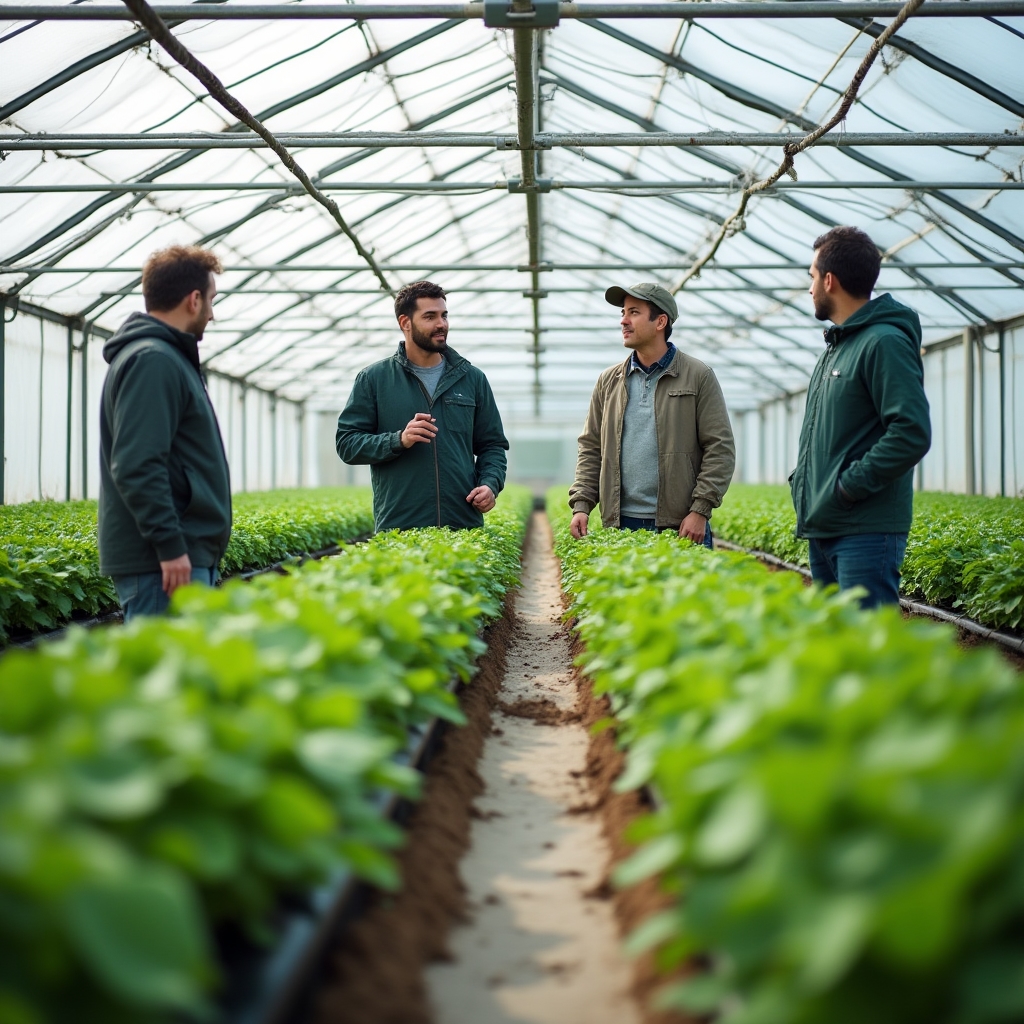

Organic farming best practices demonstration

Soil Management Practices

Building and maintaining healthy soils is the foundation of successful organic farming.

Crop Rotation

Strategic sequencing of crops to optimize soil health, disrupt pest cycles, and manage nutrients efficiently.

Key Practices:

  • Implement 4-7 year rotations for field crops
  • Alternate nitrogen-fixing legumes with heavy feeders
  • Include deep-rooting crops to improve soil structure
  • Plan rotations to disrupt pest and disease cycles

Irish Considerations:

In Ireland's cool, moist climate, include adequate break periods between brassicas (2-3 years) to manage clubroot risk. Incorporate green manures during winter to prevent nutrient leaching in high rainfall periods.

Cover Cropping

Utilizing specific plant species between cash crops to protect and improve soil while providing multiple ecosystem benefits.

Key Practices:

  • Select species based on specific soil improvement goals
  • Use winter-hardy varieties for Irish conditions
  • Implement mixes for multiple benefits
  • Time termination to maximize organic matter contribution

Recommended Cover Crops for Ireland:

Phacelia, crimson clover, and Italian ryegrass perform well in Irish conditions. For winter coverage, vetch and rye combinations provide excellent soil protection during wet winter months.

Compost Management

Production and application of high-quality compost to build soil organic matter and provide balanced nutrition.

Key Practices:

  • Maintain proper C:N ratios (25-30:1) in compost materials
  • Monitor and manage temperature phases
  • Ensure adequate moisture (50-60%)
  • Apply finished compost strategically based on crop needs

Irish Considerations:

In Ireland's wet climate, cover compost piles to prevent nutrient leaching and excessive moisture. Consider indoor composting facilities for better process control during extended rainy periods.

Soil Testing & Balancing

Regular monitoring and strategic amendment of soil to optimize fertility, structure, and biological activity.

Key Practices:

  • Conduct comprehensive soil tests annually
  • Monitor macro and micronutrients, pH, and organic matter
  • Use approved amendments to address deficiencies
  • Maintain detailed records of soil conditions and amendments

Irish Soil Considerations:

Many Irish soils are naturally acidic and may require approved liming materials. Focus on building calcium levels while managing excessive magnesium in certain regions. Monitor molybdenum in high-pH soils.

Water Management

Optimizing drainage, irrigation, and water conservation to maintain soil health and crop productivity.

Key Practices:

  • Implement appropriate drainage systems for heavy soils
  • Utilize efficient irrigation methods when needed
  • Incorporate water-conserving practices in dry periods
  • Protect water quality through buffer zones

Irish Climate Considerations:

Given Ireland's high annual rainfall, focus on effective drainage systems to prevent waterlogging and soil compaction. In eastern regions, consider water harvesting systems for occasional dry summer periods.

Soil Biology Enhancement

Practices that promote beneficial soil organisms to improve nutrient cycling, disease suppression, and soil structure.

Key Practices:

  • Minimize soil disturbance when possible
  • Maintain soil organic matter above 3.5%
  • Apply microbial inoculants when appropriate
  • Use diverse plant species to support varied soil life

Biological Considerations:

In Ireland's naturally fungal-dominated soils, avoid excessive tillage which disrupts fungal networks. Implement practices that support mycorrhizal associations, particularly important for phosphorus uptake in organic systems.

ORGANIC SOIL MANAGEMENT PROTOCOL REF: GS-SOIL-2026

Soil Management Timeline for Irish Organic Farms

Season Primary Activities Monitoring Tasks Inputs & Amendments
Early Spring
(Feb-Mar)
  • Soil testing
  • Cover crop termination
  • Light tillage as soil conditions allow
  • Soil temperature
  • Moisture levels
  • Earthworm counts
  • Lime applications (if needed)
  • Compost spreading
Late Spring
(Apr-May)
  • Main season crop establishment
  • Bed preparation
  • Compost incorporation
  • Soil structure assessment
  • Weed pressure evaluation
  • Drainage pattern observation
  • Rock phosphate (if needed)
  • Seaweed extracts
  • Microbial inoculants
Summer
(Jun-Aug)
  • Mulch application
  • Interrow cultivation
  • Green manure establishment in vacant areas
  • Soil moisture monitoring
  • Plant tissue testing
  • Compaction assessment
  • Foliar applications
  • Compost tea
  • Side dressing for heavy feeders
Autumn
(Sep-Oct)
  • Cover crop establishment
  • Compost production
  • Field restructuring
  • Post-harvest soil testing
  • Organic matter assessment
  • Erosion risk evaluation
  • Mineral amendments based on test results
  • Green manure seeds
  • Compost application
Winter
(Nov-Jan)
  • Drainage maintenance
  • Soil management planning
  • Record analysis and review
  • Winter cover assessment
  • Drainage performance
  • Frost impact monitoring
  • Winter compost production
  • Input inventory and ordering
  • Equipment maintenance

Crop Production Practices

Effective strategies for growing healthy, productive crops without synthetic inputs.

PEST & DISEASE MANAGEMENT

Integrated Pest Management Strategies

Successful organic pest management relies on a multi-faceted approach that prioritizes prevention and biological controls over direct intervention.

Preventative Strategies

  • Crop Rotation: Maintain minimum 3-year rotations for most crops, extending to 5-7 years for brassicas and potatoes in Irish conditions
  • Resistant Varieties: Select varieties with proven resistance to common Irish pathogens like late blight, powdery mildew, and rhizomania
  • Timing Adjustments: Adapt planting and harvesting dates to avoid peak pest pressure periods
  • Field Hygiene: Remove crop residues that may harbor pests and diseases between plantings

Biological Controls

  • Beneficial Insects: Establish habitats for predatory insects like ladybirds, lacewings, and parasitic wasps
  • Microbial Products: Utilize Bacillus thuringiensis, Beauveria bassiana, and Trichoderma preparations
  • Nematode Applications: Apply beneficial nematodes for slug, weevil, and grub control
  • Companion Planting: Intercrop with aromatic herbs and flowers to confuse and repel pests

Physical Controls

  • Barriers: Utilize row covers, insect netting, and copper tape
  • Traps: Deploy pheromone traps, sticky traps, and light traps for monitoring and mass trapping
  • Manual Removal: Implement hand picking for larger pests and egg masses
  • Thermal Control: Use flame weeding and soil solarization where appropriate

Approved Organic Inputs (Last Resort)

  • Plant-Based Preparations: Neem, pyrethrum, and quassia extracts
  • Mineral Products: Diatomaceous earth, kaolin clay, and sodium bicarbonate
  • Biological Formulations: Spinosad and granulosis virus preparations
  • Basic Substances: Horsetail extract, vinegar, and whey

Note: All inputs must be approved for organic use in Ireland and used in accordance with certification requirements.

WEED MANAGEMENT

Effective Organic Weed Control

Weed management in organic systems requires a combination of cultural, mechanical, and preventative approaches tailored to Irish conditions.

Cultural Methods

  • Crop Rotation: Design rotations that alternate between weed-suppressing crops (e.g., rye, buckwheat) and crops with different growth habits
  • Cover Cropping: Utilize fast-growing cover crops like mustard and phacelia to suppress weed growth between cash crops
  • Stale Seedbed Technique: Prepare beds early, allow weeds to germinate, then cultivate shallowly before planting
  • Competitive Varieties: Select crop varieties with vigorous early growth and good canopy development

Mechanical & Physical Methods

  • Precision Cultivation: Utilize camera-guided hoes, finger weeders, and torsion weeders for in-row weed control
  • Flame Weeding: Apply carefully timed flame weeding for stale seedbed preparation and pre-emergence control
  • Mulching: Use biodegradable mulch films, straw mulch, or living mulches appropriate to crop type
  • Manual Weeding: Implement strategic hand weeding at critical crop stages to prevent weed seed production

Weed Management Timeline for Irish Conditions

Timing Actions Target Weeds
Early Spring
  • Stale seedbed preparation
  • Cover crop termination
  • Pre-planting cultivation
  • Chickweed
  • Annual meadow grass
  • Shepherd's purse
Late Spring
  • Precision inter-row cultivation
  • Tine weeding in cereals
  • Mulch application
  • Fat hen
  • Redshank
  • Charlock
Summer
  • Manual removal of escapes
  • Continued cultivation
  • Mowing pathways and headlands
  • Thistles
  • Docks
  • Couch grass
Autumn
  • Cover crop establishment
  • Deep cultivation for perennials
  • Stubble management
  • Volunteer cereals
  • Perennial weeds
  • Winter annuals

Equipment Recommendations

Invest in precision weeding tools appropriate for your scale:

  • Small-scale: Wheel hoes, collinear hoes, and hand tools
  • Medium-scale: Basket weeders, finger weeders, and torsion weeders
  • Large-scale: Camera-guided hoes, steerage hoes, and weed harrows

Org-swapai can provide guidance on equipment selection and potential funding sources through TAMS III.

CROP-SPECIFIC GUIDELINES REF: GS-CROPS-2026

Best Practices for Key Irish Organic Crops

Cereals & Grains

  • Recommended Varieties: Heritage wheat varieties like 'Goldfield' and 'Mulika' show good disease resistance in Irish conditions
  • Seeding Rates: Increase conventional rates by 15-20% to compensate for losses and improve weed competition
  • Fertility: Precede with legume-based green manures; consider under-sowing with clover
  • Weed Management: Spring-tine harrowing at 2-3 leaf stage; increase row spacing to 20cm for hoeing if necessary
  • Disease Management: Select resistant varieties and ensure adequate crop rotation (minimum 3 years between cereal crops)

Potatoes

  • Recommended Varieties: 'Orla', 'Setanta', and 'Sarpo Mira' show good blight resistance
  • Planting: Pre-sprout seed potatoes; plant when soil temperatures reach 8°C consistently
  • Blight Management: Use copper-based products judiciously; implement wide spacing and good airflow
  • Fertility: Apply well-rotted compost or manure in autumn before planting; avoid fresh manure
  • Weed Control: Regular ridging combined with mechanical cultivation; consider biodegradable mulch

Brassicas

  • Rotation: Maintain minimum 4-year rotation to manage clubroot risk
  • Pest Management: Use insect netting to exclude cabbage root fly, cabbage white butterfly, and flea beetles
  • Transplanting: Establish strong transplants in protected environment before field planting
  • Fertility: Medium nitrogen feeders; balance with adequate calcium to prevent tipburn
  • Irrigation: Maintain consistent soil moisture to prevent splitting and bolting

Alliums (Onions, Garlic, Leeks)

  • Weed Management: Critical due to poor competitive ability; use stale seedbed, flame weeding, and mulching
  • Planting: Use sets rather than seeds for onions in Irish conditions; plant garlic in October-November
  • Disease Management: Ensure good airflow; harvest and cure properly to prevent storage diseases
  • Fertility: Moderate feeders; excessive nitrogen reduces storage quality
  • Companion Planting: Intercrop with carrots to disrupt pest cycles

Legumes

  • Inoculation: Use appropriate rhizobia inoculants when planting in new fields
  • Timing: Delay pea planting until soil temperatures reach 10°C to reduce disease risk
  • Variety Selection: Choose varieties with good standing ability for Irish conditions
  • Fertility: Minimal nitrogen needed; ensure adequate phosphorus and potassium
  • Pest Management: Monitor for pea moth and aphids; use appropriate timing to avoid peak pressure

Root Crops (Carrots, Parsnips)

  • Soil Preparation: Deep cultivation to create fine, stone-free seedbed
  • Pest Management: Use floating row covers to exclude carrot fly; time plantings to avoid peak fly periods
  • Weed Control: Critical in early stages; use flame weeding pre-emergence and precision tools post-emergence
  • Fertility: Moderate feeders; excessive nitrogen causes forking
  • Harvest: Dig before ground freezes; store at high humidity and near-freezing temperatures

Organic Livestock Management

Welfare-centered practices for healthy, productive organic livestock production.

ORGANIC LIVESTOCK PRINCIPLES

Core Principles of Organic Livestock Production

Animal Welfare

  • Provide conditions that allow natural behaviors and minimize stress
  • Ensure adequate space, fresh air, and natural light in housing
  • Implement low-stress handling systems and practices
  • Maintain appropriate group sizes and stable social structures

Nutrition & Feeding

  • Utilize 100% organic feed (with limited exceptions during conversion)
  • Maximize pasture-based nutrition for ruminants
  • Ensure balanced rations appropriate to species and life stage
  • Prohibit antibiotics, hormones, and synthetic growth promoters

Health Management

  • Focus on preventative health through nutrition, breeding, and management
  • Select breeds adapted to local conditions and resistant to common diseases
  • Implement biosecurity measures to prevent disease introduction
  • Use approved natural treatments before conventional veterinary medicines

Outdoor Access

  • Provide regular access to pasture for grazing animals
  • Ensure outdoor areas with vegetation for poultry and pigs
  • Manage outdoor areas to prevent environmental damage
  • Adapt outdoor access to weather conditions and animal needs
Organic livestock management
ORGANIC STOCKING RATES

Recommended Stocking Rates for Irish Conditions

Livestock Type Maximum Stocking Rate Indoor Space Requirement Outdoor Space Requirement
Dairy Cows 1.4-1.7 LU/ha 6 m² per animal 4.5 m² per animal + pasture
Beef Cattle (500kg+) 1.4-1.7 LU/ha 5 m² per animal 4 m² per animal + pasture
Sheep 13-14 ewes/ha 1.5 m² per animal 2.5 m² per animal + pasture
Laying Hens 230 birds/ha 6 birds per m² 4 m² per bird
Broilers 580 birds/ha 10 birds per m² 4 m² per bird
Breeding Pigs 6.5 sows/ha 7.5 m² per sow 2.5 m² per animal + pasture
Fattening Pigs (85-110kg) 14 pigs/ha 1.3 m² per animal 1.0 m² per animal + pasture

Note: These stocking rates should be adjusted based on specific farm conditions, soil type, and annual rainfall. Lower stocking rates may be necessary on heavy soils or in high rainfall areas of western Ireland.

Pasture Management

  • Rotational Grazing: Implement paddock systems with 21-30 day rest periods for optimal regrowth
  • Mixed Swards: Establish diverse pastures with grasses, legumes, and herbs for nutrition and resilience
  • Parasite Management: Use clean grazing systems with pasture rotation between species
  • Soil Fertility: Monitor and maintain balanced fertility through approved amendments
  • Forage Conservation: Produce high-quality hay and silage for winter feeding

Recommended Pasture Species for Ireland:

  • Perennial ryegrass, timothy, and cocksfoot for productivity
  • White and red clover for nitrogen fixation
  • Chicory and plantain for mineral content and drought tolerance
  • Birdsfoot trefoil for tannin content and parasite management

Health Management

  • Preventative Approach: Focus on nutrition, stress reduction, and genetic selection
  • Natural Treatments: Utilize herbal remedies, homeopathy, and approved supplements
  • Parasite Control: Implement integrated strategies including grazing management, monitoring, and targeted treatments
  • Vaccination: Use permitted vaccines for endemic disease prevention
  • Record Keeping: Maintain detailed health records for certification and management

Common Natural Treatments:

  • Diatomaceous earth for external parasite control
  • Herbal anthelmintics containing wormwood, thyme, and garlic
  • Apple cider vinegar for digestive health
  • Seaweed meal for mineral supplementation

Note: Always consult with a veterinarian familiar with organic practices before implementing treatment protocols.

Housing & Facilities

  • Natural Ventilation: Design housing with adequate air circulation while avoiding drafts
  • Bedding: Provide ample organic bedding materials for comfort and cleanliness
  • Space Requirements: Exceed minimum space requirements for optimal welfare
  • Natural Light: Ensure abundant natural light in all housing facilities
  • Outdoor Access: Design convenient access to outdoor areas appropriate for species

Housing Considerations for Irish Climate:

  • Orientation to maximize southern exposure for warmth and light
  • Adequate roof insulation to prevent condensation issues
  • Windbreaks and shelter in outdoor areas
  • Drainage systems to manage high rainfall
  • Covered feeding areas to maintain feed quality in wet conditions

Success Stories

Learn from Irish farmers who have successfully implemented organic best practices.

Organic dairy farmer

Cloverfield Organic Dairy

County Cork • 120 hectares • Converted 2021

James Murphy transformed his conventional dairy farm by implementing a diverse herbal ley system with 12+ species, reducing antibiotic use by 85% and increasing milk solids by 7% despite lower overall yields.

Key Practices:

  • Multi-species pastures with 30-day rotation
  • Once-a-day milking during shoulder seasons
  • On-farm milk processing for value addition

Result: 22% increase in net farm income despite 15% reduction in total milk volume.

Organic vegetable farm

Green Valley Market Garden

County Wicklow • 8 hectares • Converted 2019

Sarah and Michael O'Brien transitioned from conventional vegetables to a diversified organic operation supplying direct markets and restaurants throughout the Dublin area.

Key Practices:

  • Intensive no-dig bed system with compost mulching
  • Season extension with low tunnels and caterpillar tunnels
  • On-farm compost production from local inputs

Result: Gross margins increased from €8,000/ha to €22,000/ha with significantly improved soil health metrics.